


“How much does a website cost in India?” is one of the first questions businesses ask, but a useful estimate requires more than counting pages. A five-page brochure website, a multilingual e-commerce store and a secure customer portal may all be called websites, yet they involve very different design, engineering and operational requirements.
This 2026 guide explains the major cost categories so you can compare proposals and create a realistic budget.
Typical Website Development Cost Ranges in India
The following ranges are planning estimates rather than fixed quotations:
- Starter business website: approximately ₹25,000–₹75,000
- Custom corporate website: approximately ₹75,000–₹2,50,000
- E-commerce website: approximately ₹80,000–₹4,00,000+
- Custom portal or web application: approximately ₹2,00,000–₹15,00,000+
The final amount depends on scope, content readiness, design originality, integrations, security, data migration and support. Extremely low quotations may exclude strategy, testing, performance work, licences or post-launch assistance.
What Determines Website Development Cost?
1. Website type and business objective
A lead-generation website focuses on services, credibility and enquiries. An e-commerce site needs products, payments, inventory and order management. A portal may require authentication, roles, dashboards and complex workflows.
2. Custom design
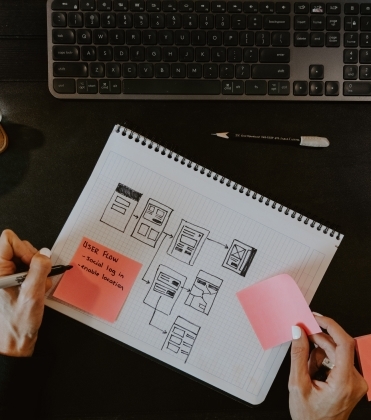
Template-based implementation can reduce initial cost, while a distinctive interface requires research, wireframes, responsive layouts and design iteration. Custom design is valuable when brand differentiation or complex user journeys matter.
3. Content and SEO structure
Businesses often underestimate the work required to organise services, write useful copy and prepare images. SEO-friendly development includes crawlable navigation, semantic headings, editable metadata, internal links and clean URL planning—but rankings also require credible content and authority.
4. Functionality and integrations
Payment gateways, CRM connections, appointment booking, WhatsApp notifications, maps, ERP integration and external APIs add planning, development and testing effort.
5. Performance and Core Web Vitals
A visually impressive site can still perform poorly if it loads excessive scripts and media. Modern projects should address loading speed, layout stability and responsiveness. Interaction to Next Paint (INP), for example, reflects how quickly a page provides visual feedback after user interactions.
6. Security and compliance
Security requirements increase when a site processes payments, personal data, documents or authenticated accounts. Secure configuration, permissions, backups, updates and monitoring should be included in the operational plan.
Cost by Website Category
Small-business website
This normally includes a homepage, company information, service pages, contact forms and a manageable content system. Cost increases with custom illustrations, extensive copywriting, multilingual content or complex animation.
E-commerce website
Budget depends on catalogue size, variants, payment methods, shipping rules, taxation, discounts, inventory and third-party integrations. Product photography and data preparation may be separate.
Custom web application
Portals, CRM systems and workflow applications are estimated by features, roles, data structures and integrations rather than page count. A phased MVP often provides better cost control than trying to build every idea in the first release.
Ongoing Website Costs
- Domain registration and hosting
- Premium plugin, theme or service licences
- Security monitoring and backups
- Software updates and compatibility testing
- Content and SEO improvement
- Technical support and feature enhancement
A website is an operating asset. Planning only for launch can lead to outdated software, broken forms and declining performance.
How to Compare Development Proposals
Ask each provider to describe deliverables, milestones, exclusions, technology ownership, responsive testing, content responsibilities, licences, hosting, maintenance and change-request handling. A clear proposal makes it easier to compare value instead of choosing only by the lowest price.
Frequently Asked Questions
How long does website development take?
A focused business website may take three to eight weeks. E-commerce stores and custom applications usually require a longer phased schedule depending on content and integrations.
Is WordPress suitable for a business website?
Yes, when configured responsibly. WordPress can support corporate websites, content publishing and WooCommerce stores. Highly specialised workflows may benefit from custom development.
Can I start with a smaller budget?
Yes. Prioritise essential pages and the primary conversion journey, then plan later phases. Avoid removing foundational security, mobile usability or testing simply to reduce the initial price.
Request a Clear Website Estimate
Devscult builds responsive websites, online stores and custom applications for Indian businesses. Review our web development services in Lucknow, explore e-commerce development or request a project estimate.
Devscult